Dog Hygiene Made Simple With Guides and Checklists
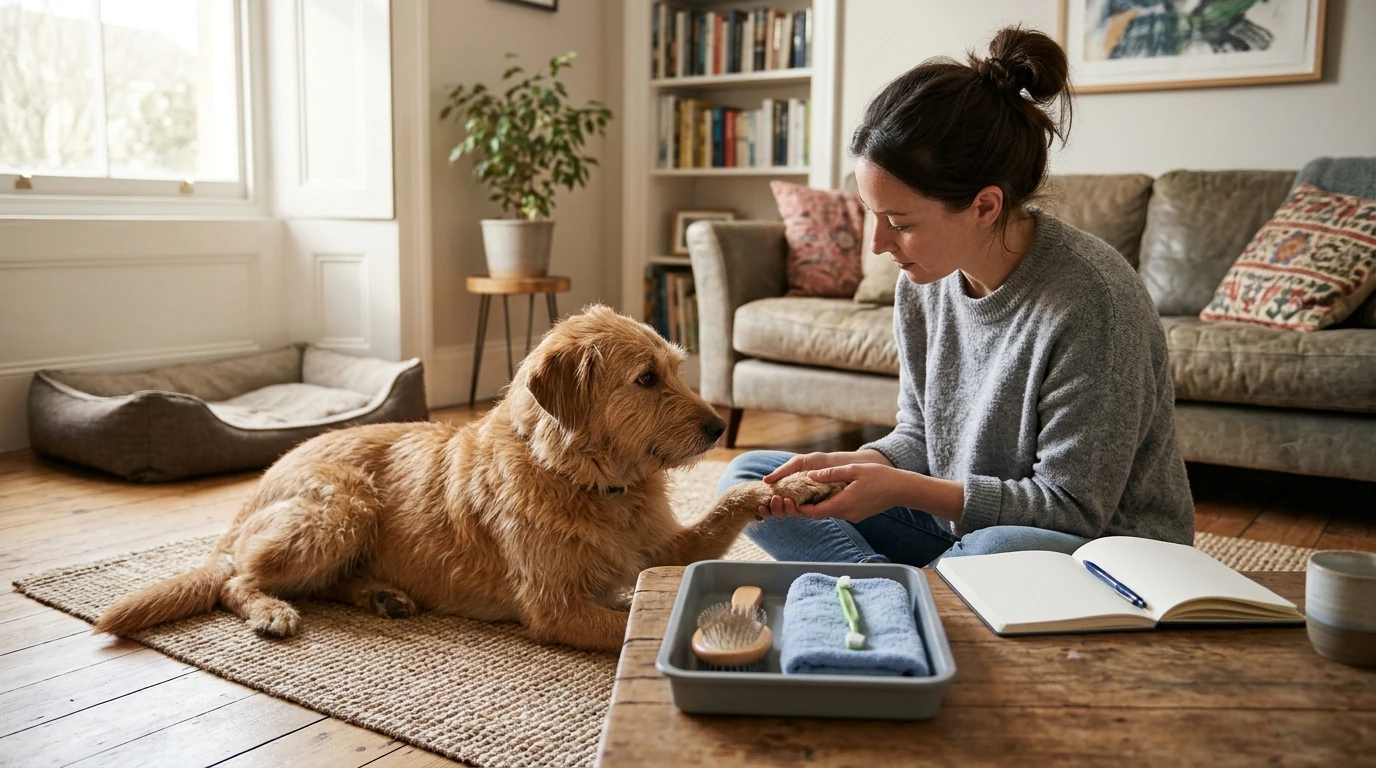
Brushing, baths, nail care, and dental hygiene are easier to manage when each task has a place in your routine. A simple plan helps you notice changes, remember what your dog tolerates, and bring useful questions to your veterinarian or groomer. Our Starter Bundle For Dog Hygiene: 5-in-1 Bundle of Guides & Checklists brings planning resources together so you can start with a few manageable steps.
Build a routine your dog can get used to
You do not need to tackle every hygiene task in one session. Begin with a brief, calm check when your dog is relaxed. You might look over the coat one day and gently handle the paws another day. Offer praise or a treat your dog can have, and stop if your dog becomes distressed. A short session that ends comfortably gives you a better starting point for next time than pushing through resistance.
Choose a few tasks to track, then adapt the plan to your dog’s coat, age, health, and comfort level. Keep your brush, towel, toothbrush, and other dog-appropriate supplies in one place. That way, a quick check stays quick. If you walk your dog in a Waterproof Tactical Dog Harness with Adjustable Vest Design, taking it off can also be a convenient reminder to look for debris around the paws and any rubbing where gear sits.
A practical way to organize hygiene checks
| Care area | What to check | When to get help |
|---|---|---|
| Coat and skin | Look for tangles, dirt, irritation, or changes from your dog’s usual condition. | Ask a veterinarian about persistent itching, sores, or unexpected hair loss. |
| Paws and nails | Check for debris, tender spots, and nails that may need attention. | Ask a groomer or veterinarian for help if trimming is difficult or painful. |
| Teeth and mouth | Note changes in breath or gums and your dog’s tolerance for oral care. | Seek veterinary advice for bleeding, pain, or trouble eating. |
| Ears | Notice unusual odor, discharge, redness, or repeated head shaking. | Consult a veterinarian before treating a suspected ear problem. |
These checks help you recognize what is normal for your dog; they are not a way to diagnose a problem. The ASPCA’s dog grooming tips offer additional guidance on handling routine grooming and watching for concerns.
Put the five-in-one bundle to work
Our Starter Bundle For Dog Hygiene is a collection of guides and checklists, not a set of grooming tools or a substitute for veterinary care. Use it to give everyday tasks a home: pick one recurring check, record what you notice, and revisit the plan as your dog grows more comfortable. You can add another task later instead of building a demanding schedule all at once.
Keep notes that will help you make decisions. Record which products you used, whether a task went smoothly, and what you want to ask at the next grooming or veterinary appointment. If your dog pulls away when you touch a paw, for example, that is more useful to note than simply marking nail care “not done.” It tells you where a gentler approach or professional help may be needed.
A checklist also makes it easier to avoid assuming every dog needs the same schedule. Bathing needs can vary with coat type, activity, and skin health. Your plan should reflect your dog’s needs and any guidance you have received from a veterinarian, rather than a fixed interval that may not fit.
Make care comfortable and safe
Handle paws, ears, and the mouth gently, and let your dog become familiar with each step. A brief look or light touch can be enough for a session. Pair cooperation with praise or an appropriate treat, and do not force a task your dog resists. If handling remains difficult or anyone could get hurt, ask a qualified groomer or veterinarian for help.
Use products intended for dogs and follow their instructions. Do not put anything into the ear canal, and speak with a veterinarian before trying to treat odor, discharge, or other signs of an ear problem. For a dog with a skin condition, pain, marked anxiety, or a sudden change in hygiene needs, get veterinary advice before changing the routine. Planning tools can help you describe what you have observed, but they cannot tell you which treatment is appropriate.
Keep the routine useful over time
Review your checklist regularly. A small routine you can follow is more helpful than an ambitious one you abandon, and it is fine to revise your plan when your dog’s needs change. After a grooming visit or veterinary appointment, update your notes with any recommendations so you are not relying on memory weeks later.
When you want one place to begin organizing those observations, explore our Starter Bundle For Dog Hygiene. Start with what you and your dog can manage now, then let your notes guide the next practical step.
FAQ
Is a hygiene checklist a replacement for a groomer or veterinarian?
No. A checklist helps you organize observations and routine tasks; a groomer or veterinarian can provide hands-on care and address concerns that need professional attention.
How often should a dog have a bath?
There is no single schedule for every dog. Coat type, activity, skin health, and veterinary guidance all matter.
What if my dog dislikes grooming?
Try brief, positive sessions and stop when your dog is distressed. Ask a veterinarian or qualified groomer for help if grooming remains difficult or raises safety concerns.








Leave a comment